
V015 : Managing Blood Sugar Naturally: Simple Habits That Support Daily Balance
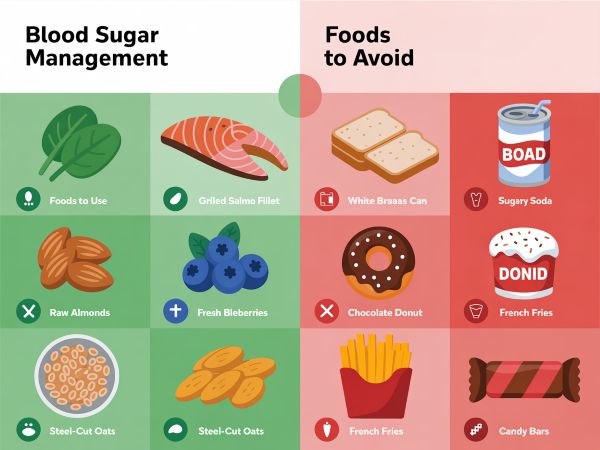
Maintaining balanced blood sugar levels is an important part of overall wellness. It influences not only metabolic function but also how you feel throughout the day—your energy, focus, mood, and even your cravings.
In today’s fast-paced lifestyle, many people experience fluctuations in energy levels without fully understanding the role blood sugar plays. Skipping meals, relying on processed foods, high stress, and poor sleep habits can all contribute to imbalances that affect daily performance.
The good news is that blood sugar balance is not only about strict diets or complicated routines. Simple, consistent habits can go a long way in supporting steady energy and overall well-being.
This article explores practical, everyday strategies that can help support natural blood sugar balance in a sustainable way.
Why Blood Sugar Balance Matters
Blood sugar, or glucose, is the body’s primary source of energy. When balanced, it supports:
- Steady energy throughout the day
- Better concentration and mental clarity
- Reduced cravings and hunger spikes
- Stable mood
- Overall metabolic balance
When levels fluctuate frequently, people may notice:
- Midday fatigue
- Sudden hunger or cravings
- Difficulty concentrating
- Feeling “low” or sluggish
These patterns are common in modern lifestyles and often reflect inconsistent daily habits.
Common Lifestyle Factors That Affect Blood Sugar
1. Irregular Eating Patterns
Skipping meals or eating at inconsistent times can disrupt how the body manages glucose.
For example:
- Skipping breakfast may lead to overeating later
- Long gaps between meals may cause energy dips
Regular, balanced meals help maintain stability.
2. Highly Processed Foods
Foods high in refined sugars and simple carbohydrates may cause rapid spikes followed by sudden drops in energy.
Examples include:
- Sugary snacks
- Sweetened beverages
- Refined bakery items
Replacing these with whole foods can support more gradual energy release.
3. Sedentary Lifestyle
Physical activity helps the body use glucose more efficiently. Sitting for long hours—common in desk jobs—may reduce this efficiency.
Even light movement can make a difference.
4. Stress and Mental Load
Chronic stress may influence how the body responds to energy demands. Busy schedules, deadlines, and constant screen exposure can contribute to this.
5. Poor Sleep Quality
Sleep plays a critical role in regulating energy balance. Irregular sleep patterns may affect how the body manages blood sugar the next day.
Simple Habits That Support Blood Sugar Balance
The key to supporting blood sugar naturally is consistency—not perfection.
1. Build Balanced Meals
Each meal should ideally include:
- Protein (eggs, legumes, yogurt, lean meats)
- Fiber (vegetables, fruits, whole grains)
- Healthy fats (nuts, seeds, olive oil)
This combination helps slow the release of glucose into the bloodstream, supporting steady energy.
2. Avoid Long Gaps Between Meals
Instead of skipping meals, aim for regular eating intervals.
For busy schedules:
- Keep healthy snacks available
- Plan simple, quick meals
- Avoid relying only on caffeine
3. Stay Hydrated Throughout the Day
Water supports metabolic processes and helps maintain overall balance.
Simple tips:
- Carry a water bottle
- Sip regularly instead of drinking large amounts at once
4. Include Daily Movement
Movement doesn’t need to be intense.
Helpful activities include:
- Walking after meals
- Light stretching
- Short activity breaks during work
These habits help the body use energy more efficiently.
5. Manage Stress in Practical Ways
Stress management doesn’t require major changes. Small actions can help:
- Deep breathing
- Short breaks
- Time away from screens
- Light outdoor activity
Reducing stress supports overall balance.
6. Improve Sleep Consistency
Better sleep habits can support energy regulation.
Try:
- Going to bed at a consistent time
- Reducing screen exposure at night
- Keeping a calm sleep environment
Recognizing Early Signs of Imbalance
Being aware of how your body responds can help you make timely adjustments.
Common signals include:
- Energy crashes after meals
- Frequent cravings for sweets
- Feeling tired despite eating
- Difficulty staying focused
These signs often improve with consistent lifestyle changes.
Can Supplements Support Blood Sugar Balance?
While lifestyle habits form the foundation, some individuals explore supplements as part of their wellness routine—especially when maintaining consistency is difficult.
Supplements are typically used as support tools, not replacements.
They are often explored for:
- Nutritional balance
- Energy support
- Metabolic wellness
If you’re interested in exploring structured resources and options, you can visit: https://supplements.care/blood-sugar-support
This section includes products designed to complement daily habits and support overall metabolic balance.
Building a Sustainable Routine
The most effective approach is one that fits your daily life.
Instead of drastic changes, focus on:
- Small improvements
- Consistent habits
- Realistic routines
For example:
- A balanced breakfast
- Short walks after meals
- Regular hydration
- Better sleep timing
These steps may seem simple, but they can have a meaningful impact over time.
Blood Sugar and Daily Energy Connection
One of the most noticeable benefits of balanced blood sugar is improved energy.
When energy is stable:
- You feel more productive
- Mental clarity improves
- Cravings reduce
- Daily tasks feel easier
This is why blood sugar balance is not just about metabolism—it’s about overall quality of life.
Final Thoughts
Managing blood sugar naturally is not about strict rules or complicated plans. It’s about understanding how daily habits influence your body and making small, consistent changes.
Balanced meals, regular movement, proper hydration, stress management, and good sleep can work together to support steady energy and long-term wellness.
When needed, supportive tools like supplements may complement these habits—but the foundation always begins with lifestyle.
Small Disclaimer
This content is for educational purposes only and is not intended as medical advice, diagnosis, or treatment. Individual needs may vary.