
V013 : Yoga for Stress, Sleep & Energy: Daily Practices for Modern Lifestyle
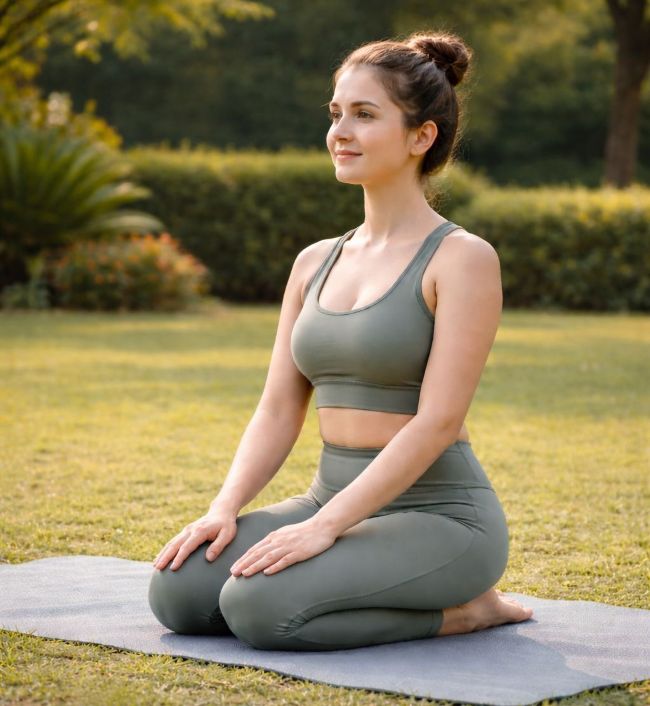
In today’s fast-paced world, maintaining balance between work, health, and personal life has become increasingly difficult. Long working hours, constant screen exposure, irregular eating habits, and lack of proper rest are now part of everyday life for many individuals.
While this lifestyle may support professional growth, it often leads to a gradual decline in physical and mental well-being. People commonly experience fatigue, poor sleep, digestive discomfort, lack of focus, and reduced overall vitality.
This is where yoga becomes more than just a fitness trend—it becomes a practical tool for restoring balance.
Yoga, which originated in India thousands of years ago, is now widely practiced across the United States and globally. While modern yoga is often seen as a physical exercise routine, its true strength lies in its ability to support both the body and mind.
In this article, we’ll explore common modern lifestyle problems and how specific yoga practices can help address them in a simple and sustainable way.
Why Yoga Matters in Modern Lifestyle
Yoga is not just about flexibility or stretching. It is a structured system that combines:
- Physical postures (asanas)
- Breathing techniques (pranayama)
- Mental awareness
Together, these elements help support:
- Energy levels
- Stress management
- Digestive balance
- Sleep quality
- Overall vitality
If you want to understand the foundation of yoga practices in detail, you can refer to your guide here: Yoga Basics-I for Everyday Wellness
Problem 1: Constant Stress & Mental Fatigue
What Happens
Modern professionals are constantly under pressure—deadlines, multitasking, digital overload, and lack of downtime. Over time, this leads to:
- Mental exhaustion
- Reduced focus
- Irritability
- Lack of clarity
Yoga Solution
1. Child’s Pose (Balasana)
A simple resting pose that helps calm the nervous system.
Benefits:
- Reduces stress
- Relaxes the mind
- Gently stretches the back
2. Deep Breathing (Pranayama)
Controlled breathing helps shift the body from stress mode to relaxation mode.
Practice:
- Inhale slowly through the nose
- Exhale gently
- Repeat for 5–10 minutes
3. Seated Meditation
Even 5–10 minutes daily can help improve mental clarity.
Problem 2: Poor Sleep & Late-Night Fatigue
What Happens
Late-night work, screen exposure, and irregular routines disturb natural sleep cycles.
Common issues:
- Difficulty falling asleep
- Frequent waking
- Not feeling refreshed
Yoga Solution
1. Legs Up the Wall Pose (Viparita Karani)
A highly effective relaxation pose before bed.
Benefits:
- Calms the nervous system
- Reduces fatigue
- Supports better sleep
2. Forward Bend (Paschimottanasana)
A gentle stretch that promotes relaxation.
Benefits:
- Reduces tension
- Encourages calmness
- Prepares body for sleep
3. Slow Breathing Practice
Reduces heart rate and prepares the body for rest.
Problem 3: Digestive Discomfort & Low Energy
What Happens
Irregular meals, fast eating, and processed foods affect digestion, leading to:
- Bloating
- Heaviness
- Low energy
- Poor nutrient absorption
Yoga Solution
1. Wind-Relieving Pose (Pavanamuktasana)
Specifically helpful for digestion.
Benefits:
- Supports gut movement
- Reduces bloating
- Improves digestive comfort
2. Cat-Cow Pose (Marjariasana)
A dynamic movement that stimulates internal organs.
Benefits:
- Improves digestion
- Enhances circulation
- Relieves stiffness
3. Gentle Twisting Poses
Twists support abdominal function.
Problem 4: Low Physical Activity & Body Stiffness
What Happens
Desk jobs and long sitting hours reduce movement, leading to:
- Muscle stiffness
- Poor posture
- Reduced flexibility
- Low circulation
Yoga Solution
1. Mountain Pose (Tadasana)
A simple posture that improves alignment.
Benefits:
- Improves posture
- Enhances body awareness
2. Downward Dog (Adho Mukha Svanasana)
A full-body stretch.
Benefits:
- Improves flexibility
- Boosts circulation
- Strengthens muscles
3. Sun Salutation (Surya Namaskar)
A complete routine combining multiple movements.
Benefits:
- Improves strength and flexibility
- Supports metabolism
- Enhances overall energy
Problem 5: Low Vitality & Reduced Daily Performance
What Happens
When stress, poor sleep, and digestion issues combine, overall vitality declines.
People may feel:
- Constant fatigue
- Low motivation
- Reduced stamina
- Lack of enthusiasm
Yoga Solution
1. Combination Routine (10–20 Minutes Daily)
A simple routine can include:
- Breathing exercises
- Stretching
- Light movement
- Relaxation
Consistency matters more than intensity.
2. Mind-Body Awareness
Yoga helps reconnect body signals with daily habits.
3. Balanced Lifestyle Integration
Yoga works best when combined with:
- Proper nutrition
- Hydration
- Rest
Yoga + Modern Lifestyle: A Practical Approach
Many people believe yoga requires long sessions or perfect routines.
In reality:
Even 10–15 minutes daily can support noticeable improvements.
For busy professionals:
- Morning: 5–10 minutes breathing + stretching
- Evening: relaxation poses
- Weekly: longer session if possible
Supporting Your Routine Further
While yoga supports flexibility, relaxation, and balance, modern lifestyles may still create nutritional gaps.
To complement your routine, you may explore Plant Based Deep Sleep-Driven Metabolic & Fat-Burning supports
This section includes wellness options that support:
- Energy balance
- Metabolic function
- Daily vitality
These can be used alongside yoga and healthy habits.
Final Thoughts
Modern life is unlikely to slow down. Work demands, responsibilities, and digital engagement will continue to shape daily routines.
However, the body still needs:
- Movement
- Rest
- Balance
Yoga provides a practical, accessible way to support these needs without requiring drastic changes.
By incorporating simple yoga practices into daily life—and supporting them with proper nutrition and lifestyle habits—you can improve energy, reduce stress, and maintain long-term well-being.
The goal is not perfection, but consistency.
Small Disclaimer
This content is for educational purposes only and is not intended as medical advice, diagnosis, or treatment. Individual needs may vary.