
V010 : Metabolism Myths vs. Real Ways to Support Healthy Weight Balance
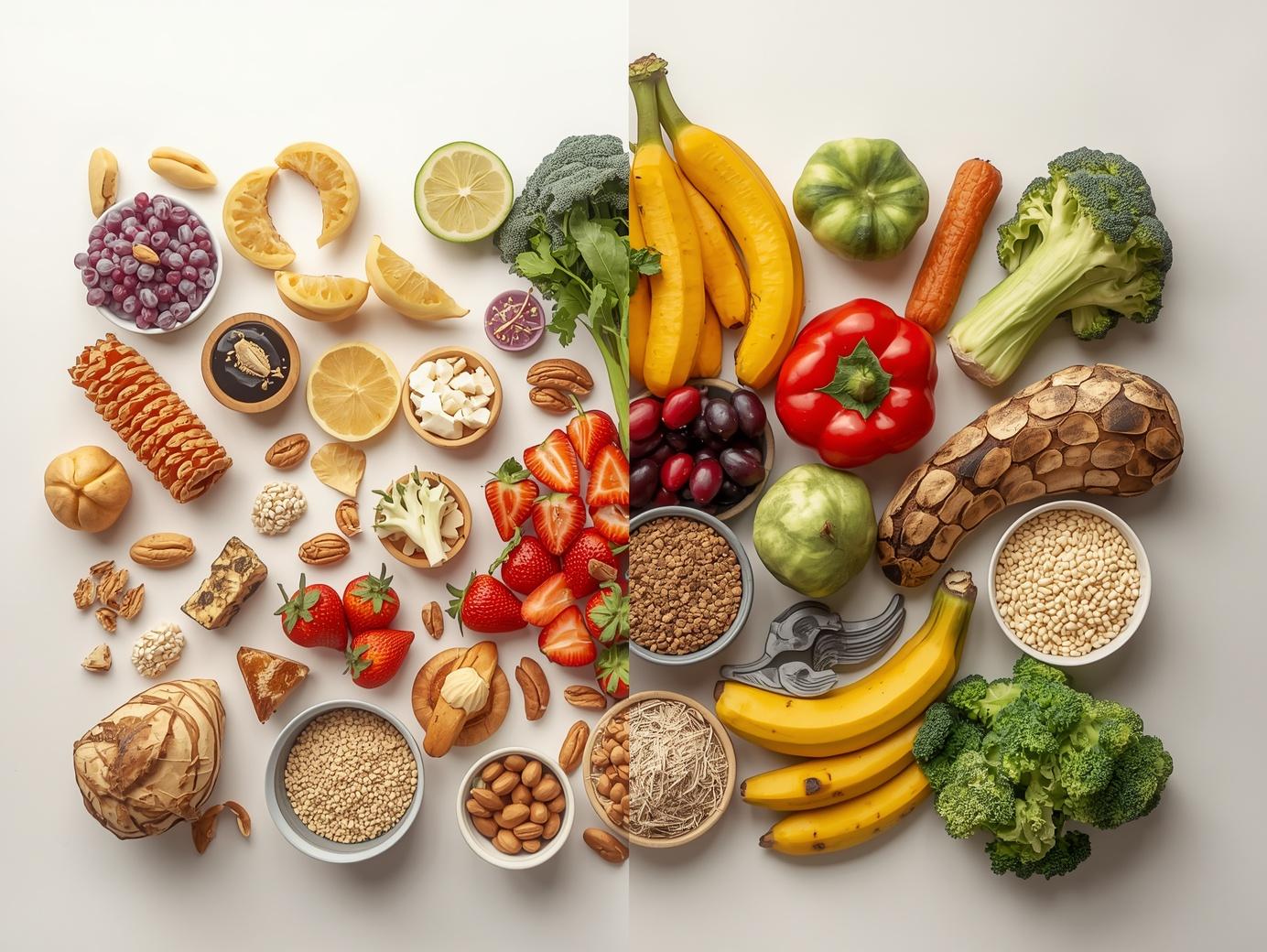
In today’s fast-paced world, many people struggle with maintaining a healthy weight or feeling mentally and physically “balanced” even when they eat reasonably well and move fairly often. With the abundance of information online — from extreme diets to miracle supplements — it’s easy to get confused.
But what if the real answer isn’t about quick fixes, dramatic restriction, or fad strategies, but rather about understanding how your metabolism works and supporting it in ways that fit into real life?
In this article, we’ll explore common metabolism myths, what actually supports healthy weight balance, and how lifestyle habits — backed by science and everyday experience — can help you feel more energetic and balanced over the long term.
What Is Metabolism, Really?
Metabolism is the process by which your body turns food into energy. It’s constantly at work, even when you’re resting, helping you breathe, move, think, and digest. While many people associate metabolism with “burning calories,” it’s really about how efficiently your body uses nutrients to power daily life.
A common myth is that metabolism is fixed — meaning no matter what you do, it can’t change. In reality, metabolism is influenced by many factors, including muscle mass, activity level, age, hormones, and even the foods you eat.
When metabolism is supported, the body tends to use energy more efficiently, which can help support overall weight balance and daily vitality.
Myth 1: “Skipping Meals Boosts Weight Loss”
Far from being an effective strategy, skipping meals often signals to the body that energy intake is inconsistent. This can lead to increased hunger later in the day and a tendency to choose quick, high-calorie foods.
Instead of skipping meals, many people find better results by:
Eating balanced meals with protein, healthy fats, and fiber
Eating at consistent times each day
Including nutrient-rich snacks if needed
This approach helps maintain stable energy and reduces the urge to over-eat later.
Myth 2: “Carbs Are the Enemy”
Carbohydrates often get a bad reputation in the diet world, but they aren’t inherently “bad.” The body uses carbohydrates as a primary source of fuel — especially during activity.
Choosing the right carbohydrates matters. Whole, unprocessed carbs like whole grains, fruits, vegetables, and legumes provide sustained energy and fiber, which supports digestive comfort and fullness.
Overly refined carbs (like sugary snacks and white bread), on the other hand, might cause rapid swings in blood sugar and energy — making balanced carbohydrates a smart choice for metabolic support.
Myth 3: “Fat Makes You Fat”
Dietary fat is often misunderstood. While high amounts of unhealthy fats (such as trans fats) aren’t ideal for overall health, healthy fats from foods like nuts, seeds, avocados, and olive oil can help keep you full and satisfied.
Including balanced sources of healthy fats in your meals can support stable energy throughout the day.
Real Ways to Support Metabolic Balance
1. Regular Physical Movement
Even gentle, consistent activity supports metabolic efficiency. Regular movement helps preserve muscle mass — which in turn supports a more efficient metabolism.
Examples:
Brisk walking
Strength training
Cycling
Playful activities or hobbies
The key is consistency, not intensity.
2. Hydration Matters
Water plays an essential role in metabolic processes. Staying consistently hydrated supports nutrient transport, digestion, and energy levels.
A simple habit like carrying a reusable water bottle and sipping throughout the day can make a difference.
3. Sleep and Stress Management
Sleep and stress both influence how the body balances hunger, energy, and metabolic signals. Chronic stress or insufficient sleep can create imbalance that may affect appetite and energy metabolism.
Prioritizing restful sleep and gentle stress-management techniques — such as deep breathing, meditation, or short walks — can support overall wellness.
Can Supplements Support Metabolism and Weight Balance?
Supplements aren’t magic pills — and they shouldn’t be viewed as replacements for healthy habits. However, some dietary supplements are often explored in wellness communities as supportive tools that may complement a balanced nutrition and lifestyle routine, when used responsibly.
Below are some commonly discussed categories:
Product Spotlight: A Liver-Focused Wellness Formula for Metabolism & Energy Support
Supporting liver function can be a part of metabolic wellness because the liver plays an important role in how nutrients are processed and energy is managed. Products like HepatoBurn are designed to complement a balanced lifestyle when used alongside healthy habits.
IkariaLeanBellyJuice: A Nutrient-Rich Drink to Support Metabolism & Energy
This plant-based powdered drink focuses on metabolism and energy balance through antioxidants and botanical extracts. It’s a convenient option for those looking for everyday metabolic support as part of a wellness routine.
SleepLean: A Sleep-Focused Wellness Formula for Weight & Energy Balance
Quality sleep is deeply connected to metabolism and appetite regulation. SleepLean is formulated to help your body achieve more restorative sleep, which supports overall balance — particularly when daily schedules are demanding.
TeaBurn: A Simple Tea Additive to Support Metabolism & Daily Energy
TeaBurn is a dissolvable formula designed to blend with your daily tea or beverage, adding support for metabolism and energy without changing flavor or routine. This can be especially useful for those who prefer minimal-disruption wellness aids.
Ingredients Often Discussed in Supportive Formulas
Some popular ingredients that appear in weight management and metabolism products include:
Green Tea Extract: Contains antioxidants like catechins that may support metabolic activity.
Fiber (e.g., glucomannan): Fiber helps promote fullness and may support appetite control.
Caffeine: A stimulant that can increase energy expenditure.
B Vitamins: Support energy and metabolic processes.
Chromium: Important for carbohydrate and macronutrient metabolism.
It’s important to remember that evidence varies and supplements should be chosen with transparency and individual needs in mind. Always prioritize foundational habits first — diet, movement, hydration, and sleep.
Beyond Supplements: Holistic Habits That Make a Difference
Meal Timing and Balance
Eating at regular intervals and including balanced portions of protein, fiber, and healthy fats can help maintain steady energy through the day.
Mindful Eating
Paying attention to hunger and fullness cues — rather than “quick eating between meetings” — may reduce overeating and support digestion.
Social and Emotional Wellness
Supportive relationships, reduced stress, and positive habits can indirectly influence metabolic balance by reducing emotional eating and increasing motivation for movement.
When to Seek Professional Guidance
Supplements and lifestyle habits are not substitutes for personalized care. If you are experiencing significant changes in weight, appetite, or energy that concern you, it’s wise to consult a qualified healthcare provider. A professional can help tailor a plan that aligns with your goals and health background.
Final Thoughts
There’s no one-size-fits-all solution for weight balance, and there’s no magic pill that instantly fixes metabolic slowdown. However, by separating myths from practical strategies — and combining enjoyable habits with informed supplementation when appropriate — you can support your body in a balanced, realistic way.
Healthy weight balance is a journey, not a sprint. With consistent lifestyle habits, steady nutrition, thoughtful hydration, movement that fits your life, and supportive wellness tools, maintaining your energy and metabolic balance becomes much more achievable.
Small Disclaimer
This content is for educational purposes only and is not intended as medical advice, diagnosis, or treatment. Individual wellness needs may vary.